|
Unit |
3rd Field
Ambulance Medical Corps, C Section |
Rank |
Private |
|
Date of Enlistment |
25 August
1914 |
Service no. |
202 |
|
Date of Death |
19 May 1915 |
Place of Death |
Shrapnel
Gully |
|
Age |
22 |
|
|
|
Cemetery |
Beach |
Details |
I. F. 1. |
|
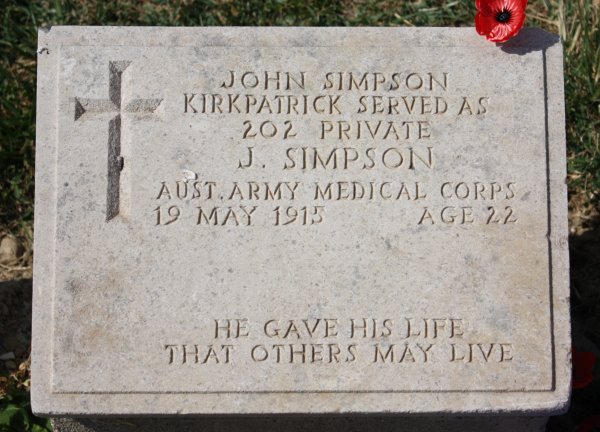
Epitaph |
He gave
his life that others may live |
|
Next of Kin |
(Mother)
KIRKPATRICK Sarah |
Address |
14
Bertram St, South Shields, England |
|
Parents |
the late
Robert and Sarah Simpson Kirkpatrick |
Address |
14
Bertram St, South Shields, England |
|
Date of Birth |
6 July
1892 |
Place of birth |
England,
South Shields, Durham |
|
General |
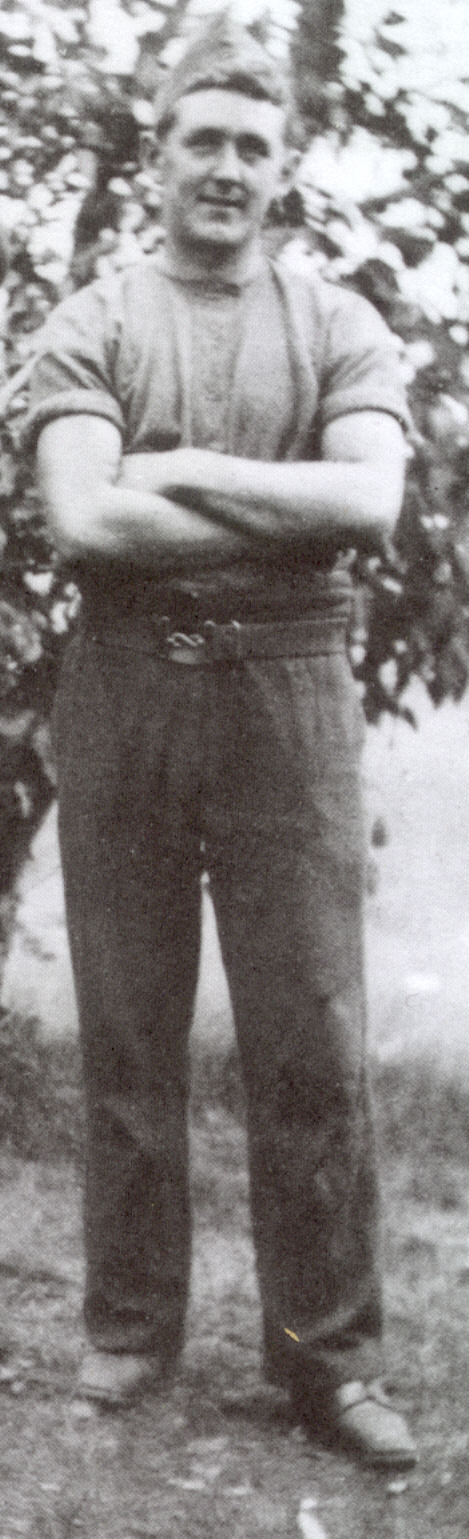
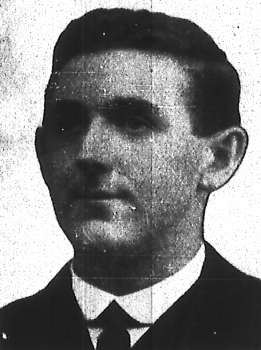
"The infantry are quite cut up – not
over their terrible losses, but because of one man, Simpson
Kirkpatrick I think his name is. He was known everywhere as “Murph.
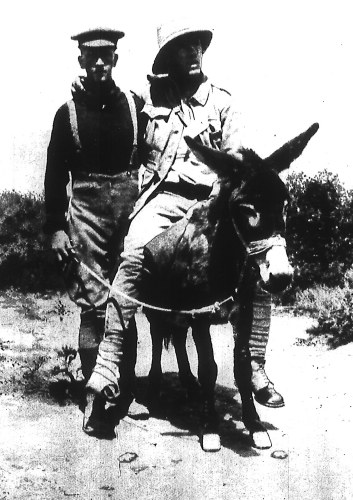
And his Donk”. At the Landing he commandeered a donkey and ever since
has been coming and going from the distant firing-line to the beach with
wounded men. He worked day and night, plodding along unscathed under
fire till all thought he must be protected by supernatural means. His
colonel long ago told him to carry on all on his own; to do whatever he
liked and go wherever he liked. He has been a little army of mercy all
on his own. Yesterday morning, I think it was, he went up the valley
and stopped by the Water Guard where he generally had breakfast. It
wasn’t ready so he went on, calling, “Never mind, give me a good dinner
when I come back.”
He never came
back. Coming along the valley holding two wounded men to the donkey he
was shot through the heart. Both wounded men were wounded again."
Ion IDRIESS, The Desert Column.
Chapter 2 – Shrapnel Gully, Gallipoli – 22 May 1915.
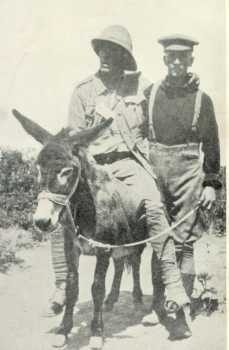
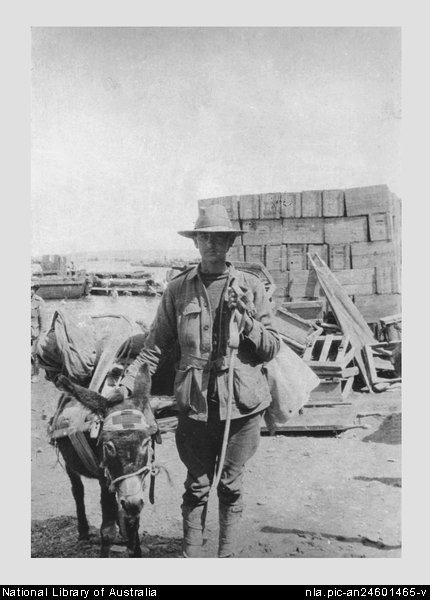
"One bearer there was
whose name has become a tradition in Australia. A number of donkeys
with Greek drivers had been landed on April 25th for water-carrying.
The Greeks were soon deported, and after the first days the donkeys
ceased carrying and fed idly in the gullies, till they gradually
disappeared. Private Simpson, of the 3rd Australian Field
Ambulance, was seized with the idea that one of these might be useful
for moving men wounded in the leg. On the night of April 25th he
annexed a donkey, and each day, and half of every night, he worked
continuously between the head of Monash Valley and the Beach, his donkey
carrying a brassard round its forehead and a wounded man on its back.
Simpson escaped death so many times that he was completely
fatalistic; the deadly sniping down the valley and the most furious
shrapnel fire never stopped him. The colonel of his ambulance,
recognising the value of his work, allowed him to carry on as a
completely separate unit. He camped with his donkey at the Indian
mule-camp, and had only to report once a day at the field ambulance.
Presently he annexed a second donkey. On May 19th he went up the valley
past the water-guard, where he generally had his breakfast, but it was
not ready. "Never mind", he called. "Get me a good dinner when I come
back".
He never came back.
With two patients he was coming down the creek-bed, when he was hit
through the heart, both the wounded men being wounded again. He had
carried many scores of men down the valley, and had saved many lives at
the cost of his own."
BEAN, C E W,
The Official
History of Australia in the war of 1914-1918, The Story of Anzac,
volume 1, 11th edition, pages 553-554 (source 1) |
|
|
|
Other Sources |
|
|
|
 |
|
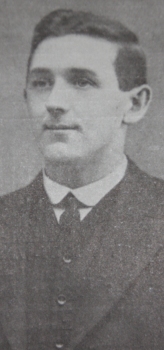
Photo |
 |
|
Gallipoli Diaries, KING, Jonathan, page 19 (source 2) |
|
|
|
Photo |
|
|
WW1 Official History - Vol 12, BEAN, Charles, photo 69
(source 1) |
|
|
|
Photo |
|
|
National Library of Australia – Pictures Catalogue (source
39) |
|
|
|
Photo |
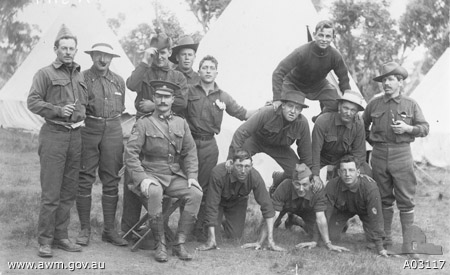
|
|
Australian War Memorial, A03117, (source 7) |
|
|
|
Photo |
|
|
The Western Mail Newspaper, 22 October 1915, page 23
(source 52) |
|
|
|
Photo |
|
|
The Western Mail Newspaper, 31 December 1915, page 33
(source 52) |
|
|
|
Photo |
|
|
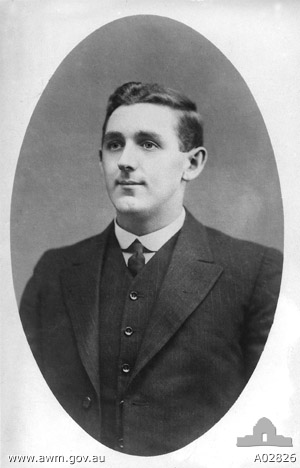
Australian War Memorial, A02826 , (source 7) |
|
|
|
Photo |
|
|
The Sunday Times Newspaper, 7 November 1915, page 17
(source 35) |
|
|
|
Photo |
|
|
The British Australasian Newspaper, 16 December 1915, page 7
(source 345) |
 |
|
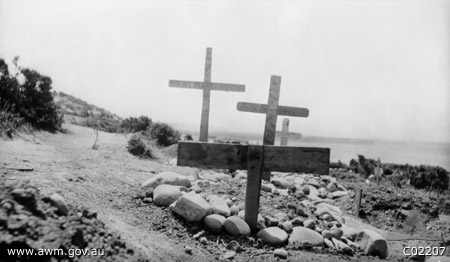
Headstone |
|
|
Australian
War Memorial, C02207, (source 7) |
|
|
|
Headstone |
|
|
Gallipoli Photographic Expedition, 2009 (source 183) |
 |
|
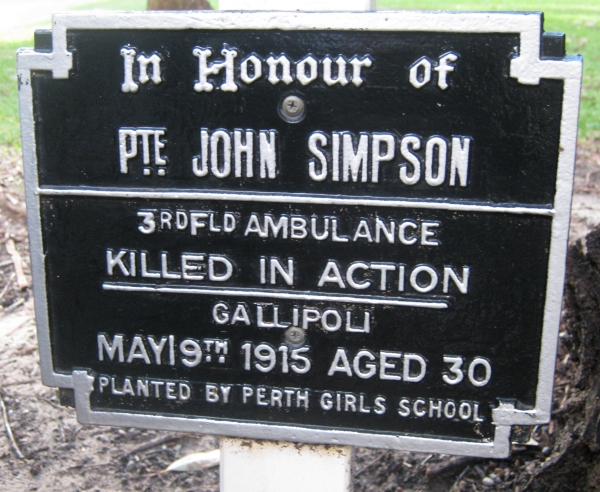
Various |
|
|
King's Park Avenue of Honour, Perth WA (source 146) |
|
|
|
Various |
|
|
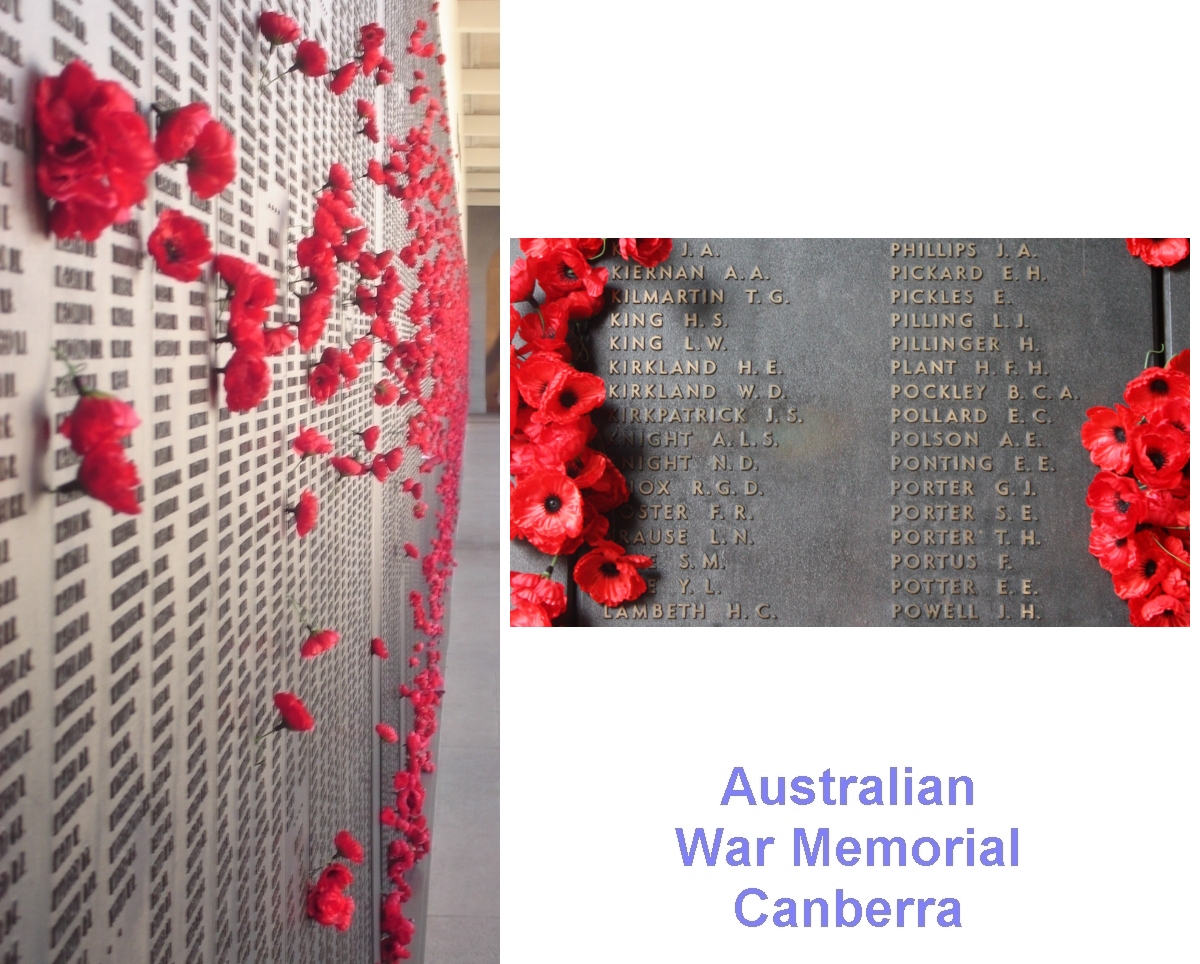
Australian War Memorial, ACT, Panel 183 (source 14) |
|
|